
Environmental Actions
A Practitioner of Green Power
TSMC aims to set the standard for environmental protection by seamlessly integrating green practices into daily operations. The Company uses innovative technologies to address climate and energy, water stewardship, circular resource management, air pollution control, and biodiversity. TSMC champions comprehensive sustainable actions to strengthen environmental protection, driven by its commitment to coexist and thrive with the Earth's ecosystem.
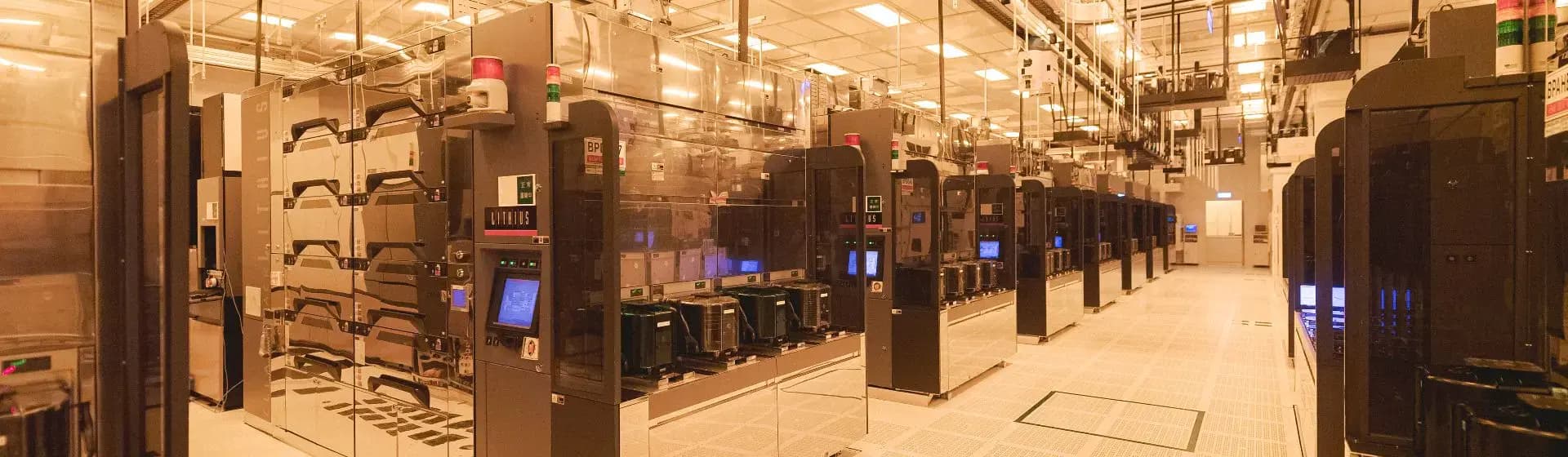
Additional annual energy savings
900 GWh
Implementing energy-saving measures to improve energy efficiency
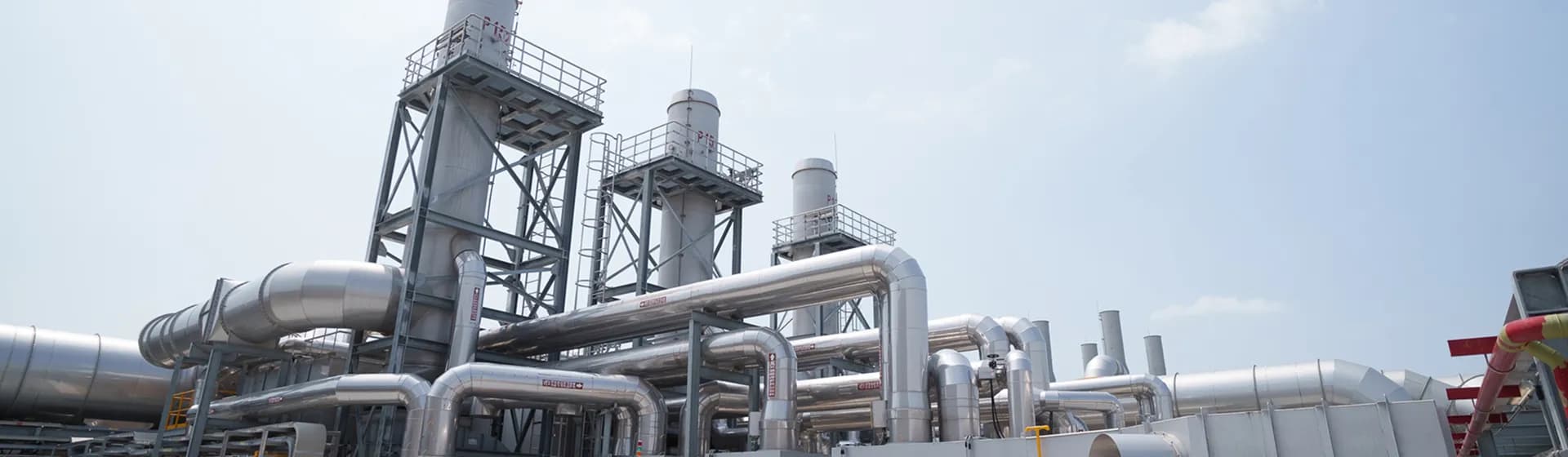
Reduction rate of volatile organic gases
98.9%
Adopt the best available technology to minimize environmental impact
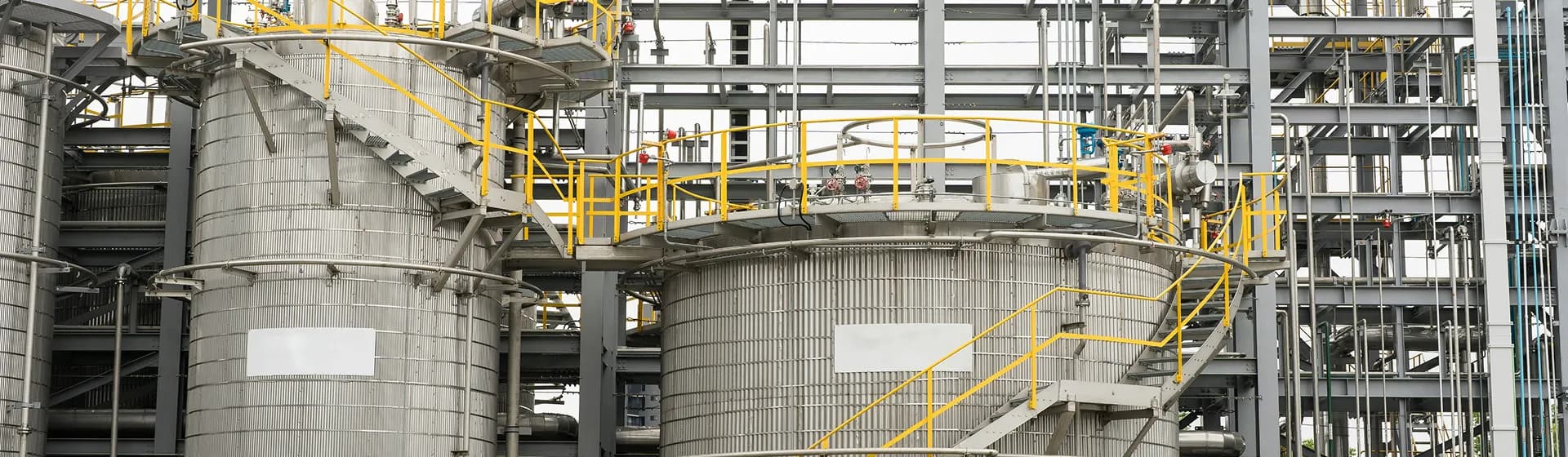
Global waste recycling rate
98%
Expanding circular economy practices and continuously innovating resource utilization
Biodiversity
1
Achieve a milestone as the first Taiwanese company to establish a rehabilitation site for the endangered species squalidus banarescui

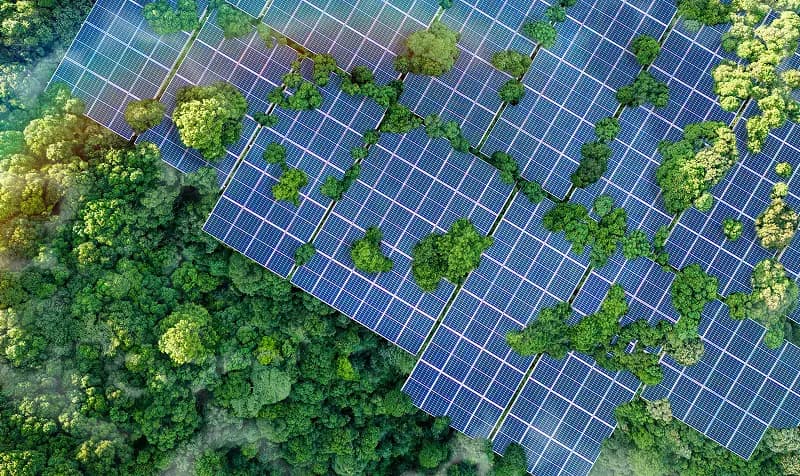
Climate and Energy
Adopt a climate-transition model for semiconductor production and supply chain management through improved energy efficiency and expanded renewable energy use, as well as carbon reduction, decarbonization, and net-zero measures to build a low-carbon and shared-value ecosystem, and moving toward net-zero emissions.

Water Stewardship
Expand diverse water sources, develop water reclamation technologies, and increase replacement rates, while improving water efficiency and wastewater treatment performance to achieve Water Positive status.
Circular Resources
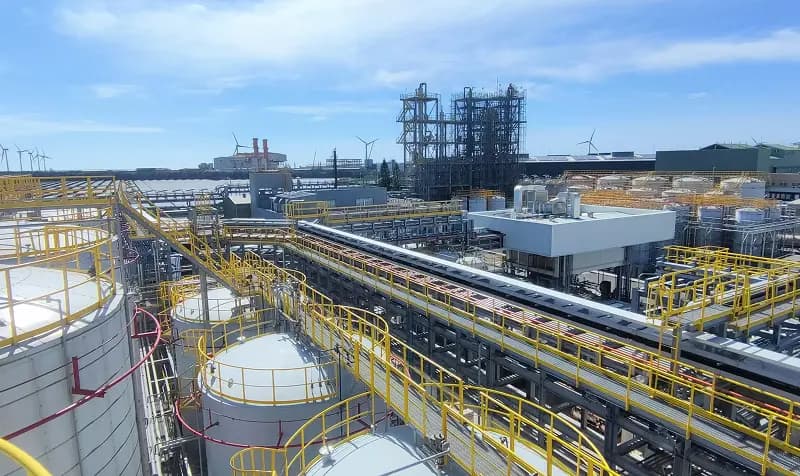
Apply the principles of minimizing waste, maximizing resource recycling, and optimizing contractor management, while working closely with suppliers to advance sustainable resource practices.
Air Pollution Control
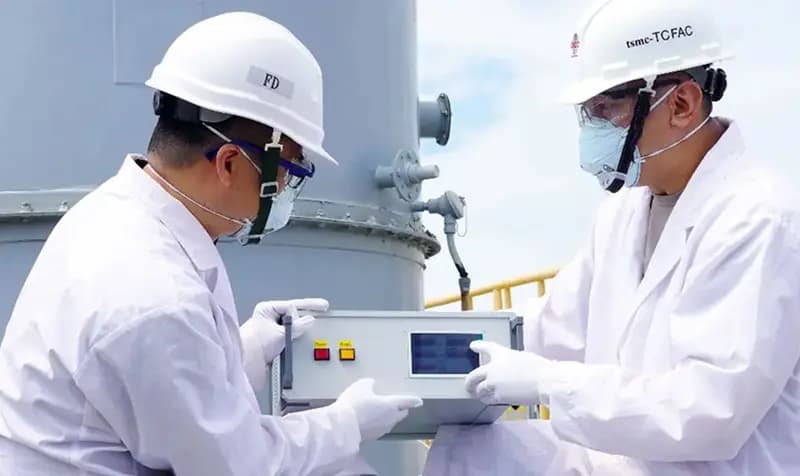
Adopt best available technologies and improve control equipment performance to minimize air pollution and achieve harmony between operations and the environment.

Biodiversity
Reduce the environmental impact of operations and value chain, support naturebased and sustainable carbon-negative technologies, and drive reforestation, ecological restoration, and environmental education to achieve No Net Loss (NNL) of nature and biodiversity.